Learning to code can feel like standing at the bottom of a mountain. You know the view is worth it, but the climb looks confusing. If you have been asking yourself how to begin, you are not alone. Thousands of people ask the same question every year, and most of them pick the same starting point: Python.
Python for beginners is one of the friendliest ways to enter the world of programming. It reads almost like plain English, and it powers everything from websites to data science tools. In this guide, we will walk you through exactly how you can start learning Python in 2026, step by step.
Ready to turn curiosity into a real skill? Explore our Python course for beginners and start building your foundation today.
Why Python Is Still a Smart Choice in 2026
Programming languages come and go, but Python keeps growing in popularity. It is used in web development, automation, artificial intelligence, and data analysis. This wide range of use cases means your skills stay relevant across industries.
Python also has a simple, readable syntax. You do not need to memorize confusing symbols or long code blocks just to print a message on your screen. This makes it an ideal language for someone who has never written a line of code before. Pairing your programming practice with AI tools for students to study smarter can make learning more efficient by helping you understand concepts, debug code, and stay organized throughout your learning journey.
Employers also value Python skills highly. Many entry-level tech roles now list Python as a preferred or required skill. Learning it early can open doors to roles in software development, data analytics, and even marketing automation.
What Do You Need Before You Start?
You do not need a computer science degree or advanced math knowledge to begin. Here is what actually helps:
A working laptop or desktop. Python runs on Windows, macOS, and Linux.
Curiosity and patience. Coding is a skill built through practice, not talent alone.
A few hours each week. Consistency matters more than long study sessions.
A reliable learning resource. A structured course saves you from getting lost in scattered tutorials.
If you are searching for a place to begin, our technology courses are designed to guide you through practical, real-world skills without unnecessary jargon.
6 Steps to Start Learning Python in 2026
Learning Python becomes much easier when you follow a clear roadmap. These six practical steps will help you build skills with confidence and consistency.
Step 1: Understand the Basics of Programming Logic
Before touching Python syntax, it helps to understand what programming actually means. At its core, programming is about giving a computer clear instructions to solve a problem.
Think about how you follow a recipe. You read the steps in order, gather ingredients, and complete each task before moving to the next. Code works the same way. Once you understand this logic, learning any programming language becomes much easier.
Step 2: Install Python and Set Up Your Environment
Setting up your workspace is simpler than most beginners expect. You can download Python for free from its official website. Once installed, you will also want a code editor, a tool where you write and run your programs.
Many beginners use lightweight editors that highlight code and catch errors early. This small step makes learning smoother and helps you avoid frustrating setup issues later.
Step 3: Learn Core Python Concepts
Once your setup is ready, focus on the building blocks of the language. These include:
Variables and data types, which store information like numbers or text.
Loops, which repeat actions automatically.
Conditional statements, which help your program make decisions.
Functions, which organize your code into reusable blocks.
You do not need to master all of these at once. Learning Python for beginners works best when you take small, steady steps and practice each concept before moving forward.
Step 4: Practice With Small, Real Projects
Reading about code is not the same as writing it. Once you understand the basics, start building small projects. A simple calculator, a to-do list, or a number guessing game are great starting points.
These projects help you apply what you have learned and reveal gaps in your understanding. Mistakes are part of the process. Every error message teaches you something new about how code behaves.
Step 5: Join a Structured Learning Path
Self-teaching through scattered videos and articles can feel overwhelming. A structured course keeps you on track and saves valuable time. It also introduces concepts in the right order, so you are not left guessing what to learn next.
Our Python essentials course for beginners was created with exactly this in mind. It breaks down programming concepts into clear, practical lessons so you can learn at your own pace without feeling lost.
Step 6: Build Consistency Through Community Support
Learning alone can be tough, especially when you get stuck on an error you cannot solve. Being part of a learning community gives you access to peer support, shared resources, and motivation to keep going.
Surrounding yourself with other learners also helps you stay accountable. Progress feels more achievable when you are not doing it in isolation.
Common Mistakes Beginners Should Avoid
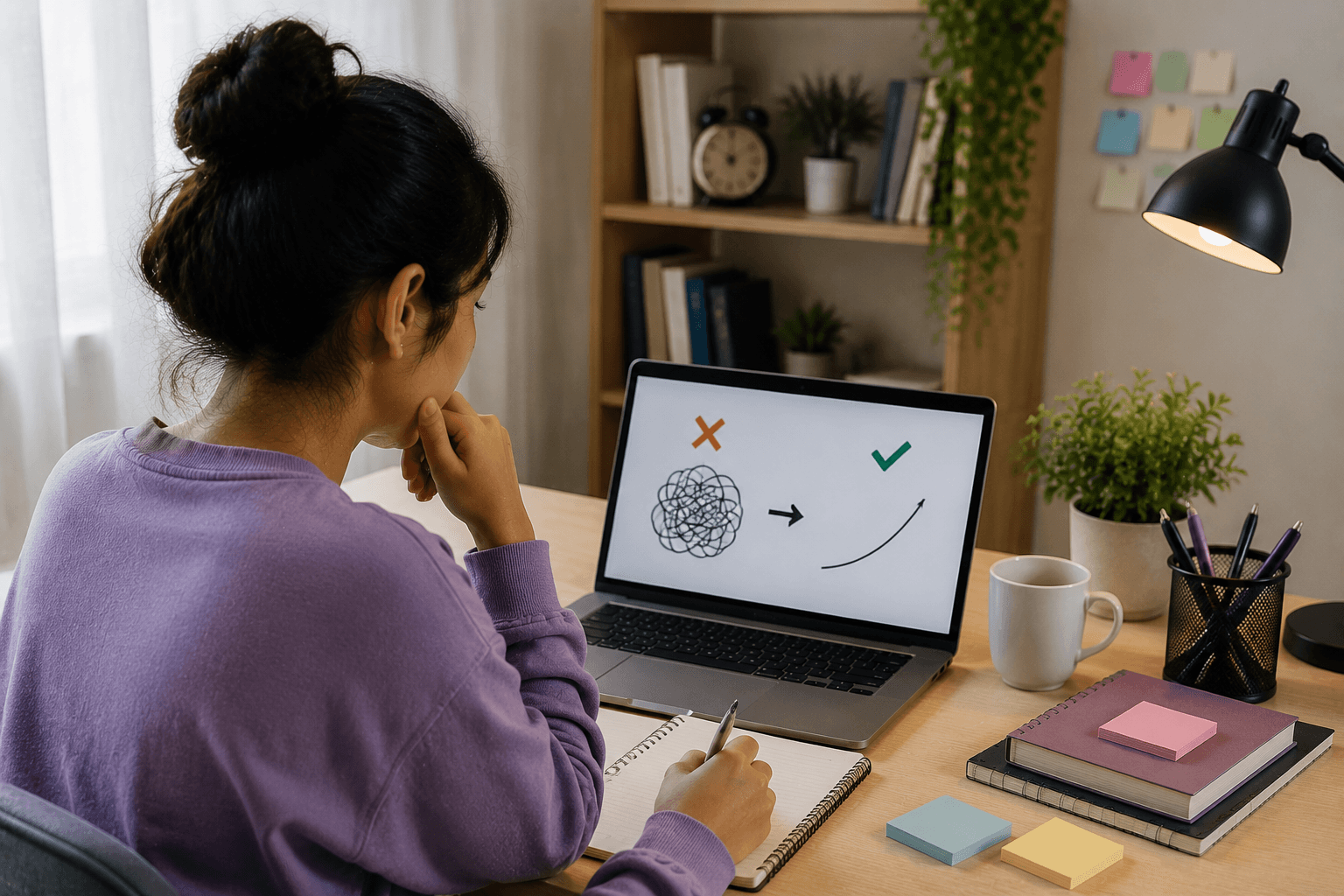
Many new learners fall into a few common traps. Here are some worth watching out for:
Jumping between too many resources. This creates confusion instead of clarity.
Skipping practice. Watching tutorials without coding along slows progress.
Avoiding mistakes. Errors are a normal, useful part of learning.
Ignoring the basics. Rushing to advanced topics without a solid foundation often backfires.
Staying patient and consistent will always outperform trying to learn everything overnight.
How Long Does It Take to Learn Python?
This depends on your goals and the time you invest. Someone learning a few hours a week can grasp the basics within one to two months. Building real confidence and project experience usually takes a few months of steady practice.
The key is not speed. It is consistency. Small, regular learning sessions build stronger skills than occasional long study marathons.
Build a Strong Foundation in Python
Starting your coding journey does not have to feel overwhelming. With the right mindset, a structured plan, and consistent practice, Python for beginners becomes an achievable and rewarding goal in 2026.
If you're ready to learn Python through practical, step-by-step lessons, explore our Python Essentials course and start building coding skills with confidence.
Frequently Asked Questions
1. Is Python hard to learn for someone with no coding background?
Not at all. Python's simple syntax makes it one of the easiest first languages. With regular practice and a structured course, most beginners see steady progress within weeks.
2. Do I need a strong math background to learn Python?
Basic math helps, but it is not essential to start. Most beginner Python concepts focus on logic and structure rather than complex calculations.
3. Can I learn Python part-time while working full-time?
Yes, many learners study Python alongside a full-time job. A few focused hours each week, paired with a clear course structure, can lead to steady progress over time.
4. What can I do after learning Python basics?
Python opens doors to web development, automation, data analysis, and more. Your next steps depend on your interests and career goals.
5. Is it better to learn Python through free videos or a structured course?
Both can help, but structured courses often save time by organizing lessons logically. This reduces confusion and keeps your learning path clear and consistent.
Recent Blogs

Communication
Learn common English-speaking mistakes professionals make at work
Read more


Content Creation
Learn how to start a newsletter and make money with a practical guide.
Read more

Freelancing & Side Income
Learn how do freelancers pay tax in India in this simple, practical 2026 guide.
Read more

Money and Investing
Confused between term insurance vs health insurance? Learn here
Read more