Artificial intelligence has moved from a buzzword to a baseline job skill. Many employers increasingly value candidates who can demonstrate practical AI skills. That is exactly why so many professionals are asking the same question this year: which credentials actually count?
If you are searching for the best AI certifications 2026, you are not alone. The market is flooded with courses, badges, and diplomas, and not all of them carry the same weight. Some genuinely build job-ready skills. Others just look good on paper.
In this guide, we will break down what makes a certification worth pursuing, which skills employers are actually screening for, and how you can build a resume that stands out. Ready to make a smarter choice? Let's get into it.
Why AI Certifications Matter for Your Career in 2026
Hiring managers today skim resumes fast. A relevant certification signals that you have kept pace with change and taken initiative to learn. It can also provide useful examples to discuss during interviews, where you can explain how you applied a tool or concept to solve a real problem.
That said, a certificate alone will not get you hired. What matters more is whether you can demonstrate practical, hands-on skill. This is where AI skill development becomes more important than collecting logos for your LinkedIn profile.
What Makes an AI Certification Worth Adding to Your Resume
Not every course deserves a spot on your resume. Before you enroll in anything, ask yourself these questions.
Does it teach practical application? The strongest certifications focus on doing, not just watching. Look for courses built around real projects, prompts, or workflows you can reuse at work.
Is it aligned with your career goals? A certification in prompt engineering helps a content professional far more than a generic "introduction to AI" course. Match your learning to your role.
Does it come from a credible instructor or platform? Courses taught by practitioners with real industry experience tend to hold up better than generic, templated content.
Will it save you time or make you money? The best AI courses for professionals are the ones that translate directly into efficiency gains you can point to on the job.
AI Skill Categories That Are Increasingly Valuable
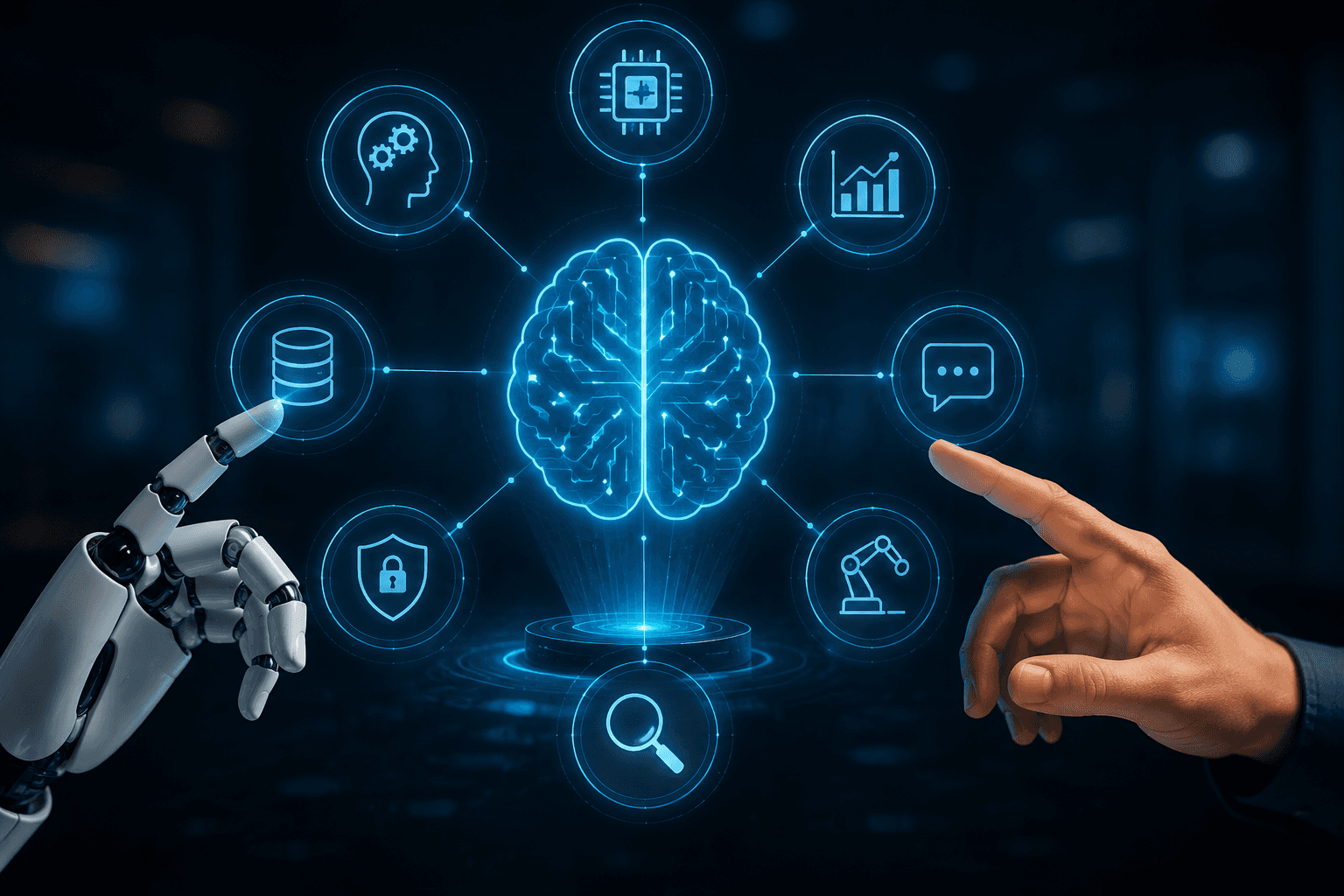
Instead of chasing every trending certificate, focus your energy on skill categories that consistently show up in job descriptions.
AI for Productivity and Workflow Automation
Many organizations value professionals who can use AI to complete routine tasks more efficiently. This includes using AI tools for research, drafting, data organization, and reporting. If you can show you finished a week's worth of tasks faster with AI, that is a concrete, resume-worthy achievement.
Prompt Engineering and AI Communication
Knowing how to "talk" to AI tools effectively is quickly becoming its own skill. Professionals who can write clear, structured prompts get better outputs and save more time than those who use AI casually.
AI for Career and Job Search
AI is also reshaping how people search for and land jobs. From optimizing resumes to preparing for interviews, understanding how to use AI in your career growth journey gives you a real edge over other applicants.
If you are just starting out, foundational AI literacy still matters. Understanding what large language models can and cannot do helps you avoid common mistakes and builds confidence before you tackle more advanced tools.
How to Choose the Right AI Certification for You
There is no single "best" certification for everyone. The right choice depends on your current role, your goals, and how much time you can realistically commit.
Start by identifying the gap in your current skill set. Are you slow at research? Struggling to keep up with reports? Looking for your next job? Pick a course that solves that specific problem rather than one that simply sounds impressive.
At WebVeda, our AI and Digital courses focus on practical, hands-on learning that helps learners apply AI in everyday work. Each course is designed to build real-world skills you can use immediately, whether you're improving productivity, streamlining tasks, or using AI to support your career growth. Explore our full range of AI and Digital courses to find the learning path that best fits your goals.
Building a Resume That Reflects Real AI Skill
Once you have completed a course, do not just list the certificate name and move on. Add a short line explaining what you built or achieved with it. For example, mention a project you automated or a task you completed faster using AI. This turns a passive credential into proof of ability, which is exactly what recruiters are scanning for.
Pairing a certification with a portfolio, even a simple one, also helps. Screenshots of prompts you wrote, workflows you automated, or a short case study can go a long way in backing up your claim.
Turn AI Learning into Career Growth
Choosing the best AI certifications in 2026 comes down to relevance, credibility, and practical application. A certificate that helps you solve real problems is far more valuable than one that simply adds another line to your resume. Focus on building skills you can demonstrate with confidence, not just credentials you can list.
If you are ready to develop practical, job-ready AI skills, explore WebVeda's AI and Digital courses. With hands-on learning and real-world applications, you can build valuable skills at a pace that fits your goals.
Frequently Asked Questions
1. Are AI certifications necessary to get hired in 2026?
Not strictly necessary, but they help. Certifications show initiative and applied skill, which can strengthen your resume alongside relevant work experience.
2. How long does it take to complete an AI certification?
This varies widely by course. Many practical, skill-based AI courses can be completed in a few hours to a few weeks.
3. Do employers verify AI certifications?
Some employers may ask about your learning during interviews. It is more important to demonstrate applied skill than to prove the certificate itself.
4. Can beginners pursue AI certifications without a technical background?
Yes. Many beginner-friendly courses are designed for non-technical learners and focus on practical, everyday AI use cases.
5. How do I know if an AI certification is worth the investment?
Look for practical, project-based learning, credible instructors, and clear alignment with your career goals before enrolling.
Recent Blogs

Communication
Learn common English-speaking mistakes professionals make at work
Read more


Content Creation
Learn how to start a newsletter and make money with a practical guide.
Read more

Freelancing & Side Income
Learn how do freelancers pay tax in India in this simple, practical 2026 guide.
Read more

Money and Investing
Confused between term insurance vs health insurance? Learn here
Read more